
Fat Loss Healthy Living Nutrition
July 31st, 2025
Nutrition: How it Affects Your Results in the Gym
So you’ve been hitting the gym, working with your in-home or virtual personal trainer, and doing all the right things with your fitness routine…but, you’re still not seeing the results you want. Maybe your muscles aren’t popping like you expected, or the energy just isn’t there. Maybe your weight isn’t budging much.
Here’s the deal: your workouts are only one part of the picture. Nutrition plays a huge role in how your body responds to exercise. If you want real, sustainable progress, you need to understand how nutrition supports your fitness goals. Let’s get into why what you eat matters just as much as what you do in the gym.
FUELLING THE RIGHT WAY
You wouldn’t take a road trip without filling up your gas tank, right? Your body works the same way. “Not fueling up before you work out is like driving a car on empty. You also may not have enough energy to maximize your workout, and you may limit your ability to burn calories” (AHA, 2024).
Before you step into a session – whether it’s strength, cardio, or a full-body HIIT routine – you need food to give you energy, improve your performance, and keep you from crashing. This means balanced meals or snacks that include carbohydrates, a bit of protein, and a little healthy fat: a banana with peanut butter, oatmeal with a scoop of protein, or yogurt with berries are all great choices. Nothing fancy or complicated, just something to keep you powered up and ready to move.
THE POWER OF PROTEIN
If your goal is to build muscle, protein is your new best friend. Every time you lift weights or challenge your muscles during a workout, you’re creating tiny tears in your muscle fibers. This isn’t a bad thing — those tears are what help your muscles become stronger and bigger as they repair, as “muscle protein breaks down in the human body.
Consuming more protein is essential to rebuilding — and even building more — muscle” (Healthline, 2025). Without enough protein, your body struggles to rebuild, and that can stall your progress. The good news is, you don’t need to become a bodybuilder who downs a dozen eggs a day. Just aim to include a source of protein in each meal. This can be chicken, tofu, Greek yogurt, eggs, lentils, fish — you’ve got options.
If you’re unsure of how much protein you need, our in-home personal trainers in Toronto, Collingwood, London, Hamilton, and Ottawa, (and virtual personal trainers everywhere) can help you plan around your lifestyle, preferences, and dietary restrictions.
WHY CARBOHYDRATES ARE NOT THE ENEMY!
Carbs get a bad rap, but your body loves them — especially when you’re training hard; they’re your body’s preferred source of energy. “Consuming carbs creates energy for the central nervous system and muscles, while also supporting digestion, microbiome health and immune function” (Mayo Clinic, 2025).
If you’ve ever tried working out while on a super low-carb diet, you’ve probably felt sluggish, unfocused, and maybe even dizzy. This is because your body needs carbs to perform at its best. Including complex carbohydrates like whole grains in your meals can make a huge difference in your energy levels and your ability to recover after a tough session.
Instead of being afraid of carbs, just be smart about the kind you choose. Skip the ultra-processed stuff and stick to the foods that make you feel good. An in-home or virtual personal trainer can give you a heads up on smart carb timing, or even walk through your pantry with you to help you make better food choices.
RECOVERY IN THE KITCHEN
After a tough workout, your body goes into repair mode. It needs nutrients — especially protein and carbs — to bounce back, rebuild muscle tissue, and refill energy stores. Skipping a post-workout meal or just grabbing a bag of chips won’t do you any favours. That window of time after exercise is golden when it comes to making progress. Eating something nutritious within an hour or so of finishing your session can help speed up recovery and reduce soreness: a smoothie with protein powder and fruit, a grilled chicken wrap, or a rice bowl with veggies and tofu are some great examples.
THE IMPORTANCE OF HYDRATION
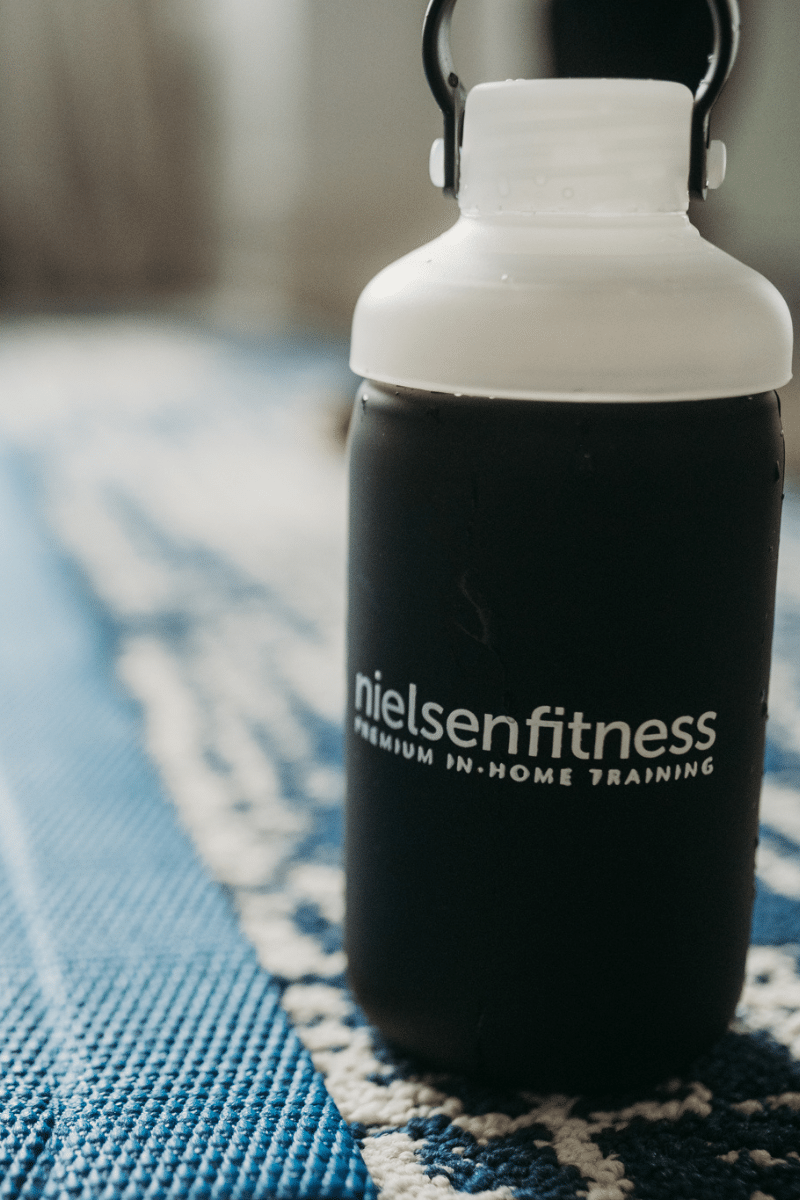
Water keeps your joints lubricated, helps regulate body temperature, supports digestion, and even plays a role in muscle contractions. If you’re not hydrating enough, you’re likely to feel fatigued, cramp up, and underperform in the gym. Stay hydrated throughout the day by keeping a water bottle nearby. Adding a pinch of salt or an electrolyte tab can help if you’re sweating a lot or doing longer workouts.
NUTRITION FOR WEIGHT LOSS
You can’t out-train a poor diet. If fat-loss is your goal, nutrition is where the magic really happens. You could be crushing your workouts, but if you’re overeating or choosing a bunch of processed junk food, your results will slow — or worse, go backward. This doesn’t mean you need to count every calorie or live off salads. It just means you need to be mindful by choosing real, whole foods most of the time and watching portion sizes. Enjoying treats is not a problem whatsoever when you approach food with balance and consistency.
ENERGY & MOTIVATION
The food you eat plays an important role in your mood, energy levels, and motivation to show up for workouts. Most of our clients don’t want to train when they feel tired, cranky, or foggy.
Eating a balanced diet rich in colourful fruits and veggies, lean proteins, healthy fats, and smart carbs can help stabilize your blood sugar and keep your energy high.
THE MIND-BODY CONNECTION
Nutrition affects your mental game, too. Your brain needs fuel just like your muscles do, and eating well can help improve your focus, reduce stress, and even support better sleep — all of which play a part in how well you train and recover.
FINAL WORDS
Nutrition and fitness go hand-in-hand. What you eat directly impacts how you perform, how you feel, and how you progress. You don’t need to be perfect, but being intentional with your food choices will level up your results big time.
If you’ve been pushing hard in the gym but not getting the changes you want, take a good look at your nutrition. Better fuel leads to better workouts, and better workouts lead to better results. And better results? Well, they feel pretty amazing.