
Exercise Fitness Functional Strength
June 3rd, 2025
Exercising with chronic pain: What you need to know
Living with chronic pain can feel like a constant battle. “An estimated 7.63 million, or one in four Canadians aged 15 or older, live with chronic pain” (Canadian Pain Task Force Report: September 2020). Whether it’s caused by arthritis, fibromyalgia, or past injuries, persistent pain often limits movement, reduces quality of life, and makes even simple tasks feel daunting. Understandably, many people with chronic pain hesitate to exercise, fearing it will worsen their symptoms. However, the right kind of physical activity can actually reduce pain, improve function, and enhance wellbeing. Working with a Nielsen Fitness personal trainer can provide the customized guidance and support needed to exercise safely and effectively, despite chronic pain.
TAILORED EXERCISE
One of the most important things to understand is that not all exercise is created equal. While intense workouts or high-impact movements may be harmful for someone living with chronic pain, gentle, consistent activity that is tailored to your body’s needs can have profound benefits. Exercise helps reduce inflammation, increases blood flow to muscles and joints, strengthens supporting muscles, and improves flexibility and mobility. In fact, regular movement can help break the cycle of inactivity, stiffness, and increased pain that many people with chronic conditions face.
PROFESSIONAL GUIDANCE
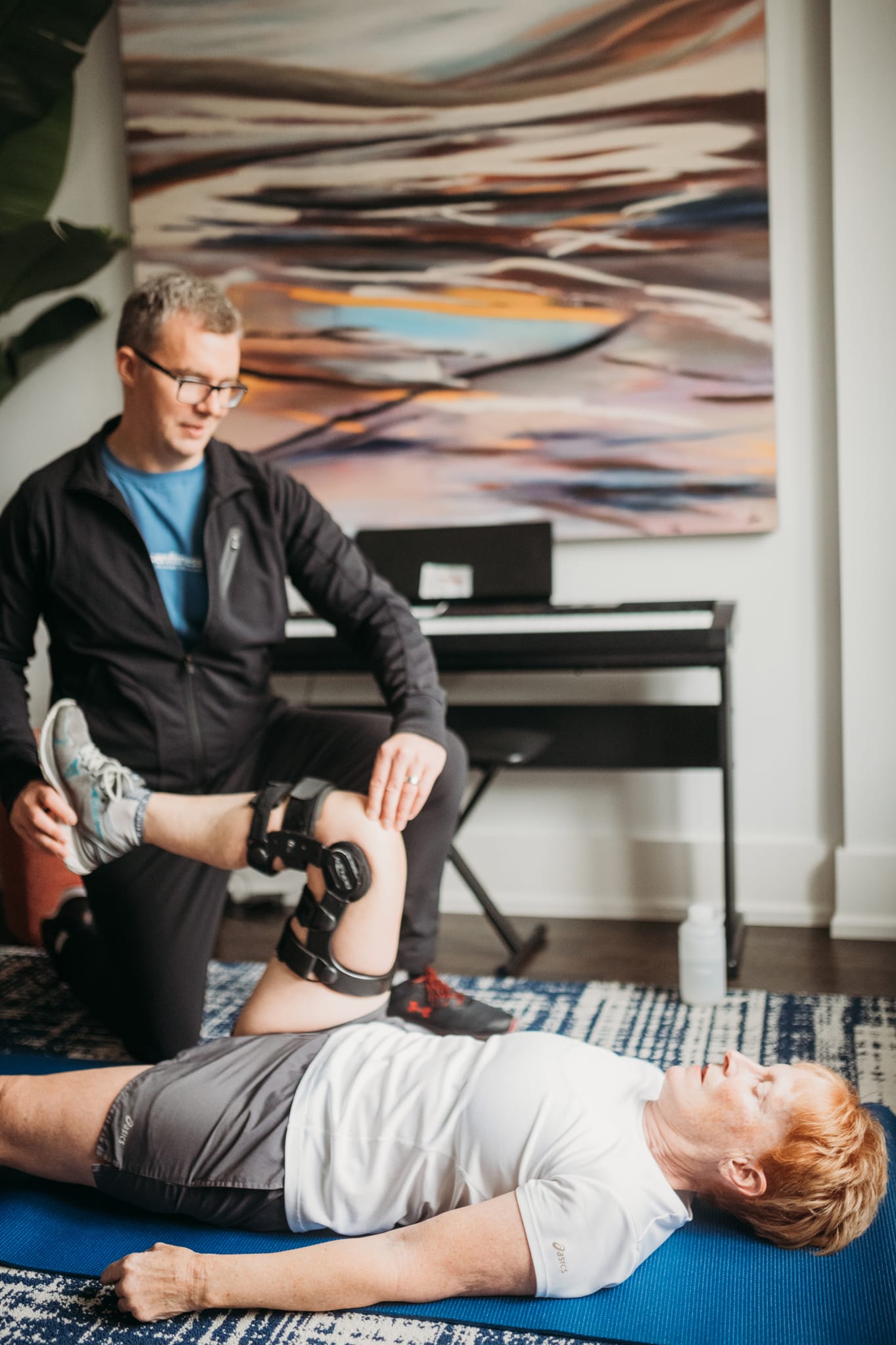
Starting an exercise routine without proper guidance can be overwhelming or even dangerous. This is where an in-home or virtual personal trainer becomes invaluable. The Nielsen Fitness team is trained to work with clients who have a wide range of limitations and conditions. We design programs that are safe and effective in improving strength, endurance, and range of motion, all while minimizing discomfort. A qualified personal trainer understands how to modify exercises and gradually build intensity without pushing the body past its limits.
MOBILE TRAINING
Mobile personal training, whether virtual or in-home, is especially useful for those with chronic pain who prefer to stay in the comfort of their own home. A virtual personal trainer guides sessions over video calls, providing live feedback on form, technique, and pacing. This option is convenient, flexible, cost effective, and eliminates the need to commute to a gym, which can be physically taxing or inaccessible for those with pain.
The added support of an in-home personal trainer brings a certified fitness professional right to your living room, backyard, or home gym, offering personalized coaching and hands-on assistance. For those who struggle with motivation, need extra accountability, or want someone physically present to help with positioning or modifications, in-home personal training can make a significant difference. It also allows for a more personal connection and a deeper understanding of your daily environment and needs.
PERSONALIZATION
Regardless of whether you choose a virtual personal trainer or an in-home personal trainer, the key is consistency and personalization. Every chronic pain condition is different. For instance: someone with osteoarthritis in the knees may benefit from low-impact strength training and mobility exercises, while someone with chronic back pain may need core strengthening and postural corrections. A skilled personal trainer will assess your limitations, listen to your concerns, and develop a progressive program that supports your long-term health goals.
MENTAL HEALTH
Mental health is another important aspect to consider when exercising with chronic pain. The frustration, isolation, and anxiety that often accompany chronic conditions can be overwhelming. Exercise is a proven tool to help manage stress, boost mood, and increase self-efficacy. “During physical activity, your body releases chemicals called endorphins and enkephalins that block pain signals from reaching your brain. These chemicals also help alleviate anxiety and depression, conditions that can make your pain more difficult to manage” (Mayo Clinic, 2024). Having a personal trainer can offer further emotional encouragement. The accountability and connection built through a regular training schedule can help foster a sense of control and confidence, which is especially important for those who feel like their condition is dictating their life.
MINDSET
It’s also essential to approach exercise with the right mindset. “Effective exercise regimens include education and cognitive restructuring to promote behavioural activation and reconceptualization of what pain means” (National Library of Medicine, 2020). The goal is not perfection or pushing through pain, but building resilience, maintaining function, and enhancing quality of life. Progress may be slow and setbacks may occur, but with the right guidance and attitude, exercising with chronic pain becomes a powerful form of self-care rather than a source of stress. A good personal trainer will celebrate small wins, adjust plans as needed, and always prioritize your well-being.
CHOOSING THE RIGHT TRAINER
For those who are hesitant or have tried and failed in the past, it’s important to remember that the right professional makes all the difference. Not all fitness programs are suitable for people with chronic pain. A knowledgeable trainer will never use a one-size-fits-all approach. Instead, we’ll collaborate with you, adapt based on your progress, and help you find movements that feel good.
FINAL WORDS
Exercising with chronic pain is possible and transformative. With the compassionate support of a Nielsen Fitness in-home personal trainer in Toronto, Collingwood, London, Hamilton, or Ottawa (or a virtual personal trainer anywhere), you can take back control of your body, reduce discomfort, and move toward a stronger, healthier future. If you’ve been living with chronic pain and are unsure where to start, consider reaching out to our team. We’re here to help!