
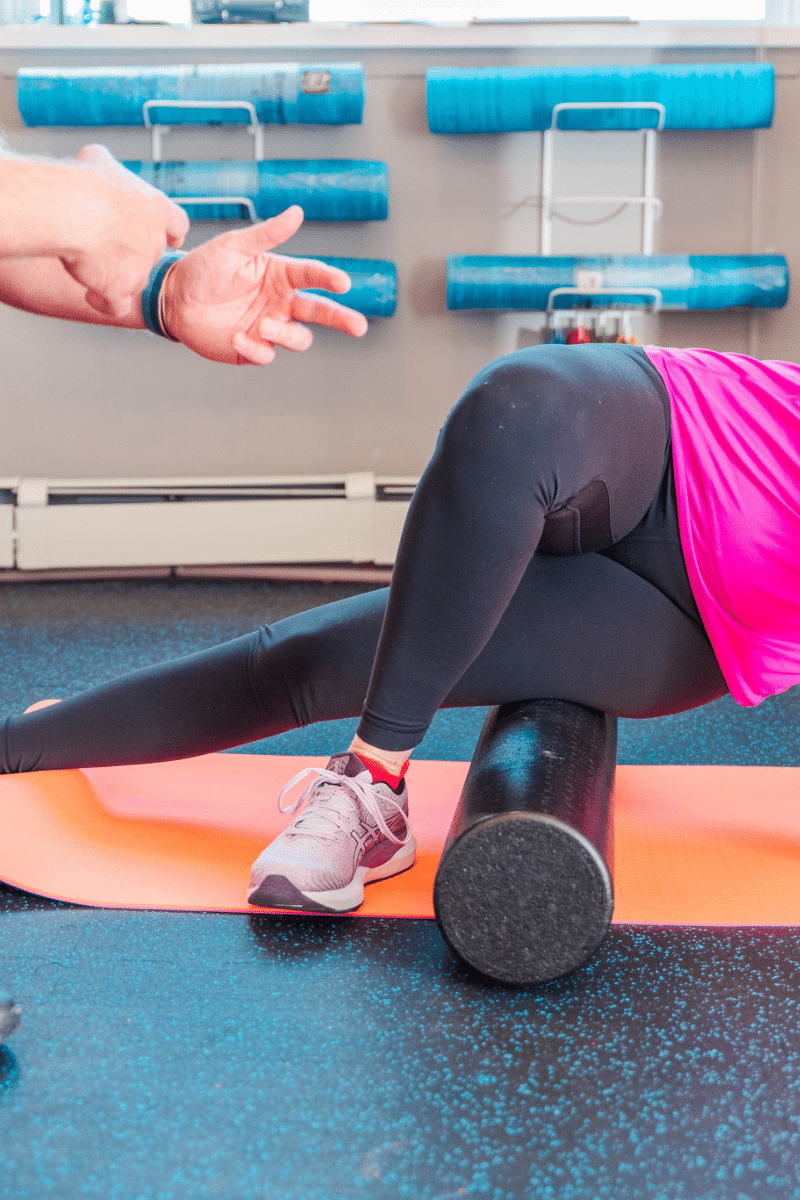
Aging Functional Strength Injury Prevention
Strong hips after 60 is key to maintaining independence, confidence, and overall quality of life. Your hips are the literal and functional center of your body. They connect your upper and lower halves, stabilize your movements, and play a key role in everything from walking and climbing stairs to getting up from a chair or maintaining balance.
That said, hip health is often overlooked until stiffness, pain, or limited mobility begins to interfere with daily life. The good news is that with the right approach, you can build strong, mobile hips at any age. Whether you’re working with a virtual personal trainer or one of our in-home personal trainers in Toronto, Collingwood, London, Hamilton, or Ottawa, the training principles remain the same: consistency, proper technique, and a personalized plan.
WHY HIP HEALTH MATTERS MORE AS YOU AGE
“You gradually begin losing muscle mass and strength in your 30s or 40s. This process picks up between the ages of 65 and 80. You may lose as much as 8% of your muscle mass each decade” (Cleveland Clinic, 2026). Cartilage can wear down, and connective tissues become less elastic. These changes can lead to reduced mobility, increased stiffness, and a higher risk of falls.
The hips are especially vulnerable because they bear much of the body’s weight and are involved in nearly every movement. Weak or tight hips can lead to compensations elsewhere in the body, often causing lower back pain, knee issues, and poor posture.
From our experience, building strong hips after 60 doesn’t just reduce discomfort; it restores confidence. Our in-home and virtual personal training clients often tell us they feel “younger” simply because they can move freely again.
THE BALANCE BETWEEN STRENGTH AND MOBILITY
One of the most common misconceptions we encounter is that stretching alone is enough to maintain strong hips after 60. While flexibility is important, it’s only one piece of the puzzle.
Healthy hips require both mobility and strength. Mobility allows your joints to move through their full range of motion, while strength ensures you can control and stabilize that movement. Without strength, increased flexibility can actually lead to instability and injury. This is why a well-rounded program must include both strengthening and mobility work tailored to your current ability level.
“Given the heterogeneity and often contradictory findings in the existing literature, stretching protocols should be individualized, with careful consideration of the type, volume, and intensity of stretching in relation to the specific goals of rehabilitation or athletic training” (Garipi, Brusnjai, Aleksandric, and Subic, 2025).
COMMON CAUSES OF TIGHT AND WEAK HIPS
Modern lifestyles play a significant role in hip dysfunction. Prolonged sitting is one of the biggest culprits. Sitting for extended periods shortens the hip flexors and weakens the glutes, leading to imbalances that affect posture and movement.
We often see clients who spend hours seated each day. Over time, this creates a pattern where certain muscles become overactive while others become underused.
In addition, a lack of regular physical activity or repetitive movements without proper conditioning can further contribute to hip issues. Addressing these patterns is key to restoring balance and function.
FOUNDATIONAL MOVEMENTS FOR STRONG HIPS after 60
Our programs focus on foundational movement patterns that support real-life activities. These movements train the hips to function efficiently and safely. Exercises like squats, hip hinges, and step-ups mimic everyday actions such as sitting, bending, and climbing stairs. When performed correctly, they strengthen the muscles around the hips, including the glutes, hamstrings, and hip stabilizers.
Equally important are controlled mobility exercises that gently take the hips through their full range of motion. These movements help maintain joint health and reduce stiffness, especially when done consistently.
THE ROLE OF GLUTE STRENGTH
If there’s one area we emphasize most to build strong hips after 60, it’s the glutes. These powerful muscles are essential for hip stability, posture, and movement efficiency.
Weak glutes are incredibly common, particularly in older adults who have spent years in sedentary positions. This weakness often leads to overcompensation by the lower back and hips, increasing the risk of pain and injury.
Strengthening the glutes helps redistribute load properly throughout the body. It improves balance, enhances walking mechanics, and reduces strain on the joints. We’ve seen clients regain the ability to climb stairs with ease, walk longer distances, and even return to activities they thought were no longer possible, all by focusing on glute development.
MOBILITY WORK THAT ACTUALLY WORKS
Not all stretching is created equal. Passive stretching, where you simply hold a position, has its place, but it’s not enough on its own. We encourage active mobility work, which involves moving through ranges of motion with control. This type of training not only improves flexibility but also builds strength within that range. For example, controlled leg swings, hip circles, and dynamic lunges can significantly improve hip mobility when performed regularly. These movements also prepare the body for more demanding activities, reducing the risk of injury.
CONSISTENCY OVER INTENSITY
One of the biggest mistakes people make when trying to improve their hip health is doing too much too soon. Aggressive stretching or high-intensity workouts can lead to soreness or injury, especially if your body isn’t accustomed to that level of activity.
Instead, we emphasize consistency. Small, regular sessions are far more effective than occasional intense efforts. Even 10–15 minutes of focused hip work each day can lead to noticeable improvements over time. This approach is particularly effective for older adults, as it allows the body to adapt gradually while building confidence and momentum.
PERSONALIZATION IS KEY
No two bodies are the same, and this is especially true when it comes to hip health. Factors such as past injuries, current fitness level, and daily habits all influence how your hips function.
That’s why personalized programming is so important. An in-home or virtual personal trainer can assess your movement patterns and design a plan tailored specifically to your needs. This individualized approach ensures that you’re not only doing the right exercises but doing them in a way that’s safe and effective for your body.
THE CONNECTION BETWEEN HIPS AND BALANCE
Balance is a major concern as we age, and the hips play a central role in maintaining stability. Strong, responsive hip muscles help you react quickly to changes in your environment, such as uneven surfaces or unexpected movements. Improving hip strength and mobility enhances proprioception: the body’s ability to sense its position in space. This leads to better coordination and a reduced risk of falls.
We’ve worked with many clients who initially struggled with balance but saw significant improvements after focusing on their hips. These gains often translate into greater confidence in everyday activities.
READY TO MOVE BETTER AND FEEL STRONGER?
If you’re ready to improve your hip strength, mobility, and overall fitness, we’re here to help. At Nielsen Fitness, our team specializes in working with older adults to build safe, effective, and personalized programs that deliver real results.
Book your free first workout and consultation today and discover how our expert guidance, whether in person or through virtual training, can help you move with confidence and live with strength.