How to avoid overtraining

Pushing your limits is often celebrated as a sign of hard work and success. This is often the case, which is why our in-home and virtual personal trainers at Nielsen Fitness always encourage clients to reach for new heights. However, there’s a fine line between challenging your body and overtraining: a condition that can cause serious harm to your health. Regardless of where you are along your fitness journey, understanding overtraining is key to maintaining a sustainable relationship with exercise.

WHAT IS OVERTRAINING?

“Overtraining or overreaching occurs when someone exercises beyond their ability to recover, leading to a decline in performance and causing physical and mental health issues. It arises when the volume and intensity of exercise exceeds the body’s ability to recover and adapt, often because of insufficient rest, inadequate nutrition, or excess stress” (Men’s Health, 2024).

When you exercise, you create micro-tears in your muscle fibres, which your body repairs during rest. This is what makes you stronger and more resilient. However, without adequate rest and recovery, these micro-tears accumulate, leading to muscle fatigue, decreased performance, irritability, injuries, and a laundry list of other symptoms.

HOW DOES OVERTRAINING HAPPEN?

Overtraining can be the result of several factors, often involving psychological stress or pressure. It’s great to have fitness goals — our in-home and virtual personal trainers are here to help you set them — but those goals must not eclipse the priority of your overall health. It’s important not to let the social pressures of looking a certain way or being a certain size become your focus. The team at Nielsen Fitness takes the utmost care to ensure you’re exercising in a way that makes you feel strong and accomplished while working towards your fitness goals in a safe and healthy manner.

One of the most common mistakes that leads to overtraining is skipping rest days, which are essential for recovery. Skipping rest prevents your body from healing and rebuilding. Engaging in too many high-intensity workouts without adequate recovery can also push your body too hard. This includes sessions of heavy lifting, intense cardio, or long-duration endurance training. Nutrition plays a critical role in recovery as well. If you’re not consuming enough calories, protein, or essential nutrients, your body won’t have the resources it needs to repair. Lastly, poor sleep, sleep deprivation, and fatigue from high levels of stress can disrupt hormone production, weaken your immune system, and reduce your ability to heal.

How to avoid overtraining
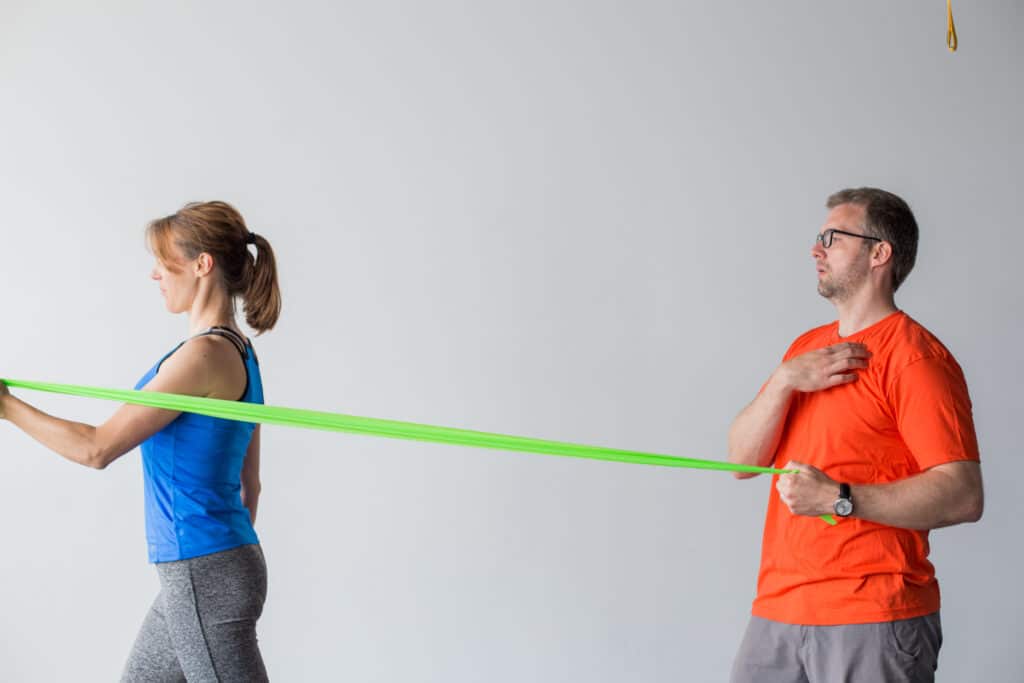
Nielsen Fitness ensures you feel strong and accomplished, safely working toward your fitness goals.

SIGNS & SYMTOMS

“Overtraining syndrome is different than feeling sore the day after a big workout or training session. It’s a medical condition that causes physical, mental and emotional symptoms. Recovering can take anywhere from a few weeks to months” (Cleveland Clinic, 2024). Recognizing the signs of overtraining is the first step in preventing it from becoming a more serious issue. Persistent fatigue, decreased performance in the gym, prolonged muscle soreness, repeated injuries, elevated resting heart rate, mood swings, insomnia, or even feelings of depression can all be signs of overtraining. If you experience a combination of these symptoms over an extended period, you may need to take a step back and assess your training routine. Our in-home personal trainers in Toronto, Collingwood, Hamilton, London, and Ottawa can help you do this in the comfort of your own space, but it’s important to “visit a healthcare provider as soon as you notice any overtraining syndrome symptoms. Talk to a provider if you feel like your mood or mental health is different enough for you or your loved ones to notice” (Cleveland Clinic, 2024).

OUR TIPS

“There are steps you can take to prevent overtraining. The most important way is to get proper rest. This can include taking at least one day off from physical activity each week to let your body recover” (Web MD, 2023). Our team at Nielsen Fitness also suggests incorporating a variety of training intensities and durations into your routine. Include low-intensity days as well as active recovery sessions, and listen to your body by paying attention to how you feel during and after your workouts. If you’re feeling unusually fatigued, sore, or unmotivated, it might be a sign to dial it back. 

Prioritize nutrition by fueling your body with a well-balanced diet that includes adequate calories, protein, carbohydrates, and fats. Hydration is also crucial for recovery, so ensure you’re drinking enough water throughout the day. Aim for 7-9 hours of quality sleep each night and establish a consistent sleep schedule. Stress-reduction techniques like meditation, yoga, or deep breathing can also be extremely beneficial, as reducing mental stress can help lower cortisol levels (which improves overall recovery). 

Lastly, an experienced in-home or virtual personal trainer can help you periodize your training. Periodization involves cycling through different phases of training, building up intensity over weeks and then incorporating a de-load week. This approach helps prevent overtraining by allowing structured recovery. If you’re unsure about your training program, a trainer can help you design a balanced routine that matches your goals and recovery needs.

Rest days are important
Rest days are essential to prevent overtraining. A personal trainer near you can help you stick to your rest days.

final words

Overtraining is a serious condition. Understanding its causes, recognizing the signs, and implementing strategies to avoid it will ensure you can continue to make fitness gains while maintaining a balanced, healthy approach to exercise. After all, fitness is a marathon, not a sprint! If you’d like help incorporating fitness into your life in a sustainable way, we’re here for you. First workouts are zero pressure and always free. Book yours here