
Exercise Fitness Healthy Living
August 29th, 2024
Exercise & Your Heart
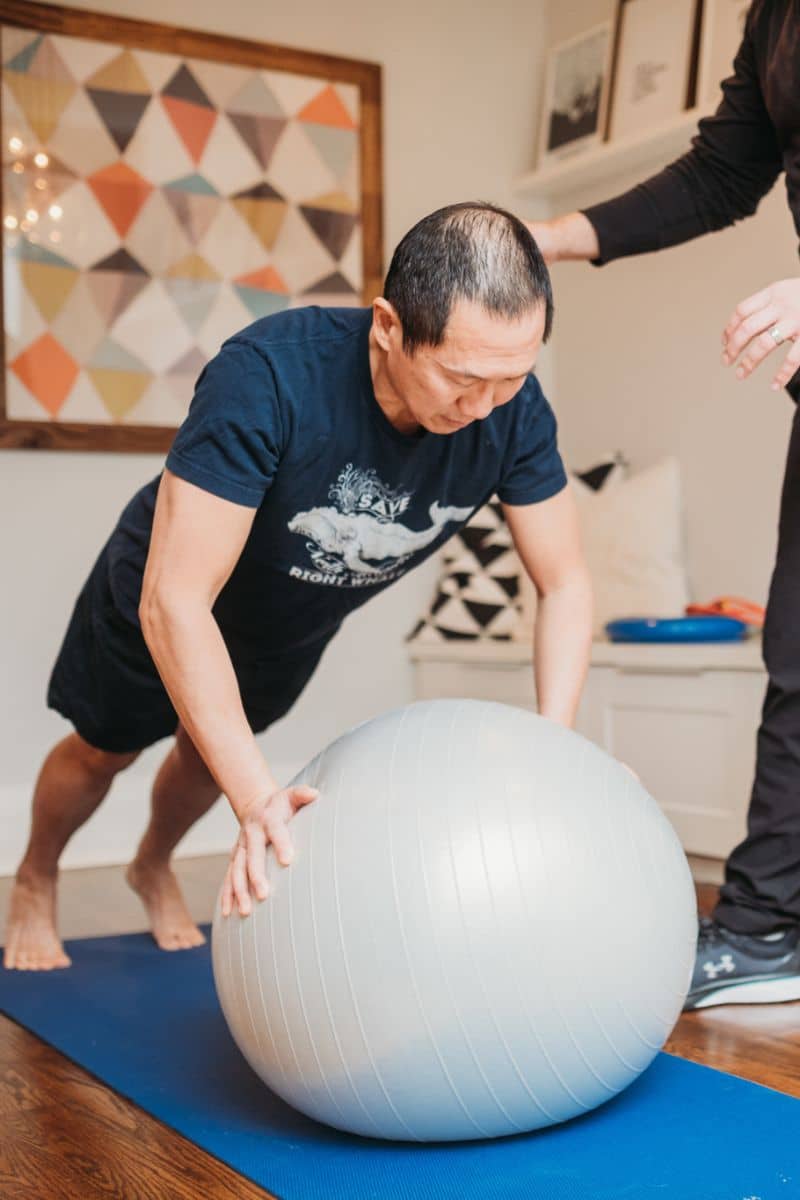
Exercise is one of the most effective tools to maintain a healthy heart; working with an in-home or virtual personal trainer can strengthen your heart muscle, improve circulation, and reduce your risk of heart disease. Nielsen Fitness places overall health, wellness, and longevity above all other goals. Read on to learn how a smart exercise program can improve your cardiovascular health.
THE ROLE OF CARDIO IN HEART HEALTH
Cardiovascular exercise is particularly beneficial for heart health, as these activities increase
your heart rate and improve the efficiency of your heart, lungs, and circulatory system. As your heart rate increases, your heart pumps more blood with each beat, which enhances blood flow and oxygen delivery throughout your body. Over time, this strengthens your heart muscle, lowers your resting heart rate, and helps reduce blood pressure. Regular cardio also helps manage your weight, and “exercise-induced changes can prevent or improve all the major risk factors that contribute to heart disease, including high blood pressure, diabetes, obesity, and unhealthy cholesterol levels” (Harvard Health, 2023). Our in-home and virtual personal trainers work hard to help fight chronic diseases.
OUR FAVOURITE CARDIO EXERCISES
Walking or Running: Walking and running are simple yet highly effective forms of cardiovascular exercise that can significantly benefit your heart health. Both are accessible to almost everyone and can be done anywhere, making them an ideal way to stay active. Our in-home personal trainers love hitting the road, the park, or a nearby track with clients when the weather permits.
Rowing: A rowing machine is an excellent tool for cardiovascular exercise while also providing a full-body strength workout. Our in-home personal trainers in Toronto love using the rowing machine at our Leaside studio! The continuous, rhythmic motion of rowing improves cardiovascular endurance while also building strength and stamina. Additionally, rowing is a low-impact exercise, making it easier on the joints while still offering a high-intensity cardio option.
High-Intensity Interval Training (HIIT): HIIT involves short bursts of intense activity followed by brief recovery periods. HIIT is incredibly efficient, but intense. It can be done with various exercises, from running and cycling to bodyweight movements. “HIIT comes with a number of benefits, from improving cardiovascular health to reducing abdominal fat and maintaining muscle mass—but it is possible to overdo it on this type of exercise” (Health.com, 2023). We suggest including HIIT in your routine no more than once or twice a week. Listen to your body to avoid overtraining.
Swimming: Swimming is an excellent form of cardiovascular exercise that helps to improve heart and lung function while burning calories. The resistance of the water adds intensity to the workout, making your heart work harder to pump blood and oxygen. Like rowing, swimming is also low-impact and easy on the joints.
Biking: Biking is another low-impact exercise that strengthens the heart and burns calories. Biking — along with walking and running — is also a great way to get outside!
THE ROLE OF STRENGTH
Strength training can also play a vital role in heart health. Building muscle through resistance exercises helps improve your body’s metabolism, manages blood pressure, and supports overall heart function. You can also get a great cardio workout during strength training by reducing your rest periods and increasing your reps. Though this may require you to lower the amount of weight lifted, which may reduce your strength gains, it still provides a fantastic total-body workout.
MONITORING INTENSITY
When exercising for heart health, it’s essential to monitor your intensity. The “talk test” is a simple way to gauge how hard you’re working: If you can speak in full sentences, you’re at moderate intensity. If you can only say a few words before needing to catch your breath, you’re at high intensity. Our in-home and virtual personal trainers often use this simple test to evaluate cardiovascular fitness during initial workouts. We suggest you vary your workout intensity, mixing moderate and high-intensity sessions throughout the week.
OUR TIPS
The government of Canada recommends adults between 18 and 64 are “active at least 2.5 hours a week to achieve health benefits” (Canada.ca), while the American Heart Association recommends “at least 150 minutes per week of moderate-intensity aerobic activity or 75 minutes per week of vigorous aerobic activity, or a combination of both, preferably spread throughout the week” (Heart.org). Consistency is crucial in improving and maintaining heart health. Make exercise a regular part of your routine, and mix up your activities to keep it interesting and challenging. Remember that any movement is better than none, so even on busy days, find time for a quick walk or stretch. Nielsen Fitness also suggests you talk to your doctor before starting a new exercise routine, especially if you have existing health conditions or haven’t been active for a while. Upon the approval of your primary care provider, an in-home or virtual personal trainer can provide personalized advice and help you create a safe and effective workout plan tailored to your heart health needs.
FINAL WORDS
Exercise is a powerful tool in the fight against heart disease. Incorporating a mix of cardiovascular and strength exercises into your routine will significantly improve your heart health and overall wellbeing. If you need assistance, Nielsen Fitness is here to help! First workouts are zero pressure, always free and can be booked here.