
December 8th, 2023
Exercise is the key to longevity
Exercise is a cornerstone of a healthy lifestyle, but its significance extends far beyond immediate physical gains. One of the most critical aspects of exercise is its profound impact on longevity: not only in terms of years lived, but in terms of vitality and independence also.
At Nielsen Fitness, we think longevity should be part of your ‘why’ for engaging in regular physical activity – regardless of your age! Read on to learn a few of our top tips related to longevity and why it matters so much.
WHAT IS FITNESS LONGEVITY?
Fitness longevity is your capacity to maintain optimal physical, mental, and emotional health through consistent engagement in health-promoting activities, exercise, and smart lifestyle habits.
It encompasses your ability to sustain functional strength, flexibility, cardiovascular health, and mental fitness throughout the duration of your life, thereby supporting resilience against age-related decline.
Fitness longevity emphasizes the holistic approach of nurturing health and vitality, enabling you to lead an active and fulfilling life well into your later years. For this very reason, Nielsen Fitness specializes in working with older adults. It’s especially important for those who may be experiencing pain or challenging a health condition to maintain fitness.
IT’S NEVER TOO LATE
Regardless of how many birthdays you’ve had, it’s never too late to start exercising – and reaping the longevity benefits that come along with it. The human body possesses an inherent adaptability and capacity for improvement in response to physical activity. Scientific research continually demonstrates that individuals who initiate exercise later in life experience remarkable benefits, including “improvements in balance, strength, gait, muscular power, blood pressure, endurance and bone density as a result of regular physical activity in older age” (The Guardian, 2019).
These gains translate into a better quality of life by reducing your risk of illness, improving mental well-being, and fostering independence in daily activities. The body’s ability to adapt and respond positively to exercise persists throughout your lifespan, showcasing that initiating physical activity at any age can yield significant improvements in health, vitality, and overall longevity. Embracing exercise at any stage in life signifies a commitment to personal well-being and underscores the potential for meaningful, positive change, no matter the starting point.
consistency = key
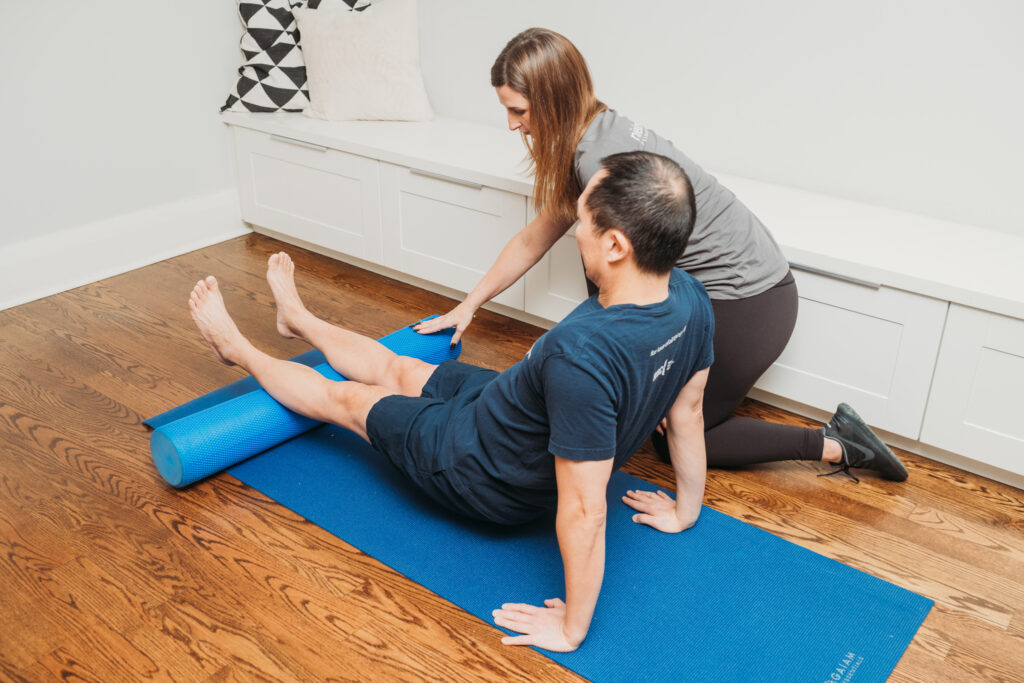
Similar to many other good habits, one of the most challenging aspects of an exercise routine is getting started. This makes consistency crucial to success.
When exercise routines are disrupted or halted, your body gradually loses adaptations gained from regular workouts, such as cardiovascular fitness, muscle strength, and endurance. Moreover, restarting exercise after a prolonged pause might evoke feelings of frustration, decreased motivation, and potential setbacks due to the loss of previously established habits.
“Cardiovascular fitness is the fastest to decline. Within just a few days of [your] last aerobic exercise session, [your] hearts pump less blood around the body, and the blood that’s circulating to cells and muscles contains less oxygen” (Harvard Health, 2023). Consistency in exercise helps to circumvent these hurdles by maintaining a routine that sustains your body’s adaptations, making it easier to stay on track and minimizing the likelihood of having to restart from scratch.
PACK YOUR PATIENCE
Significant changes take time to manifest. Realistic expectations coupled with patience are essential as your body gradually adapts to new physical demands and lifestyle modifications. Longevity in exercise hinges on consistent, sustainable progress rather than rapid, unsustainable transformations. Patience allows you to navigate through plateaus, setbacks, and moments of slow progress without succumbing to discouragement. It promotes adherence to healthy habits and long-term commitment to physical activity, recognizing that enduring results and lasting health improvements are a culmination of continuous effort over time.
This virtue also aids in injury prevention as rushing into intense workouts or pushing beyond your limits can lead to injuries. In the pursuit of longevity, patience acts as a guiding principle, fostering a balanced approach to exercise that prioritizes gradual, sustainable changes.
MAKE IT ENJOYABLE
Choosing exercises you genuinely like forms the foundation of a sustainable, long-term commitment to fitness. Exercise isn’t a short-lived sprint but rather a lifelong marathon, and the sustainability of any workout routine heavily relies on the pleasure derived from it.
Choosing exercises you enjoy doesn’t just make the workout session more pleasant, it significantly impacts adherence. Studies repeatedly demonstrate that individuals who partake in exercises they find enjoyable are more likely to stick to their routines over the long term. “The satisfaction of psychological needs promotes autonomous as well as intrinsic motivation.” (National Library of Medicine, 2021) Moreover, when you’re genuinely enthusiastic about the activities you engage in, it fosters a positive mindset. Positive association with exercise boosts motivation, making it easier to overcome hurdles and stay committed, even when faced with challenges or plateaus. This positivity spills over into other aspects of life, promoting a sense of accomplishment, confidence, and well-being beyond the confines of the workout space.
EXERCISE = SELF-CARE
Working out is often viewed through a lens of discipline, perseverance, and pushing yourself to the limit. While these traits are important, they must be balanced with self-care. Embracing kindness towards oneself isn’t just a fleeting sentiment; it’s a powerful catalyst that nurtures a sustainable relationship with exercise, fostering consistency and resilience in the face of challenge.
Being kind to yourself involves acknowledging personal limitations, understanding individual progress timelines, and recognizing the inherent value of self-compassion. Self-care dismantles the cycle of self-criticism and harsh judgment that often accompanies setbacks or perceived shortcomings in a fitness routine. Rather than viewing setbacks as failures, reframe them as opportunities for growth and learning, fostering a positive and nurturing mindset. Our team encourages adjustments without guilt or self-blame, and promotes a balanced approach to fitness that accommodates the ebb and flow of daily life.
This adaptability is crucial in maintaining long-term commitment, as it prevents burnout and discouragement often associated with rigid, unforgiving routines.
WORK SMARTER, NOT HARDER
Maintaining a long-term fitness routine hinges on understanding the balance between exercise volume (how much you exercise) and intensity (how hard you work out). By adjusting these factors, you can stay committed, avoid burnout, and protect your well-being. Volume includes the duration, frequency, and overall workload of your workouts, while intensity reflects the effort you put into each session. Finding the right balance maximizes gains and reduces the risk of injury.
Gradually increasing volume builds endurance and strength, while allowing for proper recovery prevents overwhelming your body. Regulating intensity is just as important; high-intensity workouts offer great benefits but can lead to injury if not managed properly. Alternating between high and low-intensity sessions helps prevent overtraining and supports recovery.
Customizing volume and intensity to your goals, fitness level, and lifestyle is vital for sustained progress. This flexibility allows for adjustments based on factors like stress and energy levels. Periodization, a structured approach to varying volume and intensity, can help prevent plateaus and keep you progressing over time.
Listening to your body and communicating with your trainer is key to adapting your routine. Recognizing signs of fatigue or overexertion and responding by adjusting workouts and incorporating rest days ensures you respect your body’s limits. The art of balancing volume and intensity is not just about pushing harder; it’s about maintaining a sustainable approach to fitness that honors your body’s needs.
FIND A WORKOUT BUDDY
Exercising with a buddy can be a game-changer in promoting longevity through physical activity. Having a workout partner offers numerous benefits beyond mere companionship. It enhances motivation, accountability, and consistency in maintaining an exercise routine. Sharing fitness goals and progress with a companion fosters a sense of camaraderie, creating a supportive environment that encourages you to strive for improvement. Additionally, exercising with friend or loved one often leads to increased enjoyment during workouts, making the experience more engaging and fun. The mutual encouragement and friendly competition can push you to challenge yourself further, leading to improved fitness outcomes. This social aspect of exercising not only makes workouts more enjoyable but also contributes significantly to prolonged adherence to a consistent exercise regimen, thereby promoting overall longevity in health and well-being.
CONSIDER PERSONAL TRAINING
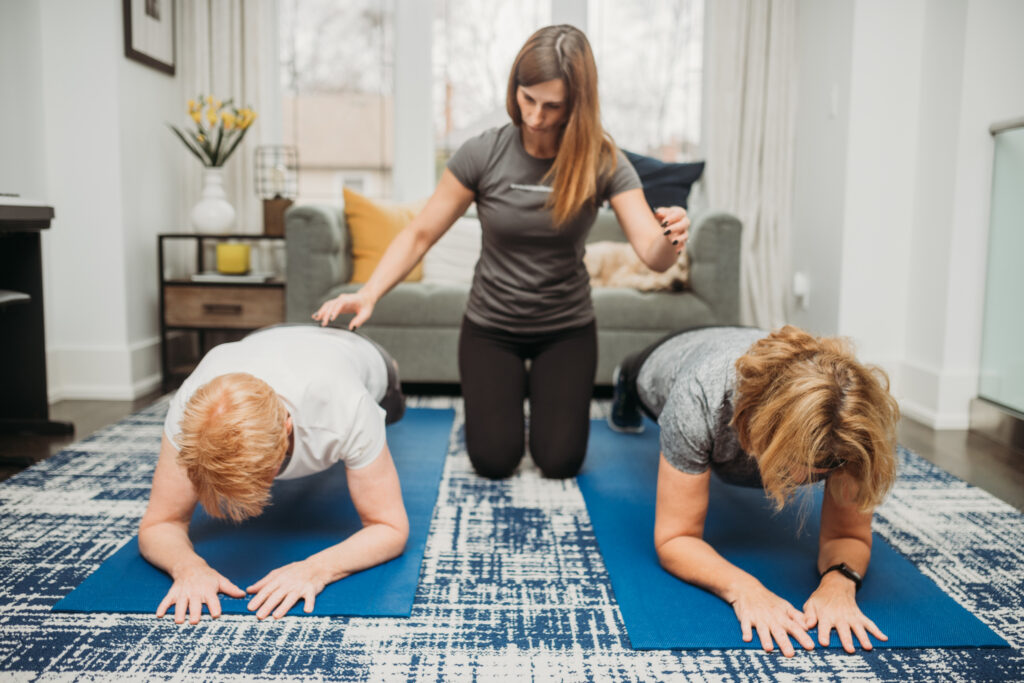
Hopefully this has helped you understand how fitness can contribute to a longer and better life – and some of the important considerations that will support this goal. If you’d like help to create and implement an exercise program that will contribute to your longevity (among other benefits!) we would be delighted to help. We offer personal training in Toronto, Collingwood, Hamilton and more! First workouts are always free and can be scheduled here.