
Fitness Tips Functional Strength
May 23rd, 2026
Practical Tips for Building Muscle That Actually Work
Building muscle is not about chasing fitness trends or spending endless hours in the gym. Our in-home and virtual personal training team has worked with clients of all ages, fitness levels, and lifestyles to foster sustainable muscle growth from consistency, smart programming, proper recovery, and accountability. Whether you train in a gym or follow a structured home workout plan, the fundamentals remain the same.
The fitness industry is filled with unrealistic promises and shortcuts, but real progress takes strategy and patience. The good news is that you do not need to be a professional athlete to build muscle and improve your strength. With the right guidance, training structure, and mindset, anyone can make measurable progress.
FOCUS ON PROGRESSIVE OVERLOAD
One of the most important principles for building muscle is progressive overload. This simply means gradually increasing the demands placed on your muscles over time. Many people repeat the same workouts every week and wonder why they stop seeing results. Your body adapts quickly, and muscle growth only occurs when your muscles are challenged consistently.
“The Principle of Progression states that increases in time, weight or intensity should be kept within 10% or less each week to allow for a gradual adaptation while minimizing risk of injury. Without this progressive overloading, muscle growth will plateau. A decrease in loading over an extended period can actually cause muscle atrophy — a loss in skeletal muscle size and strength. With consistent training the body will adapt to the progressions and meet the demands of the stress placed upon it” (NASM).
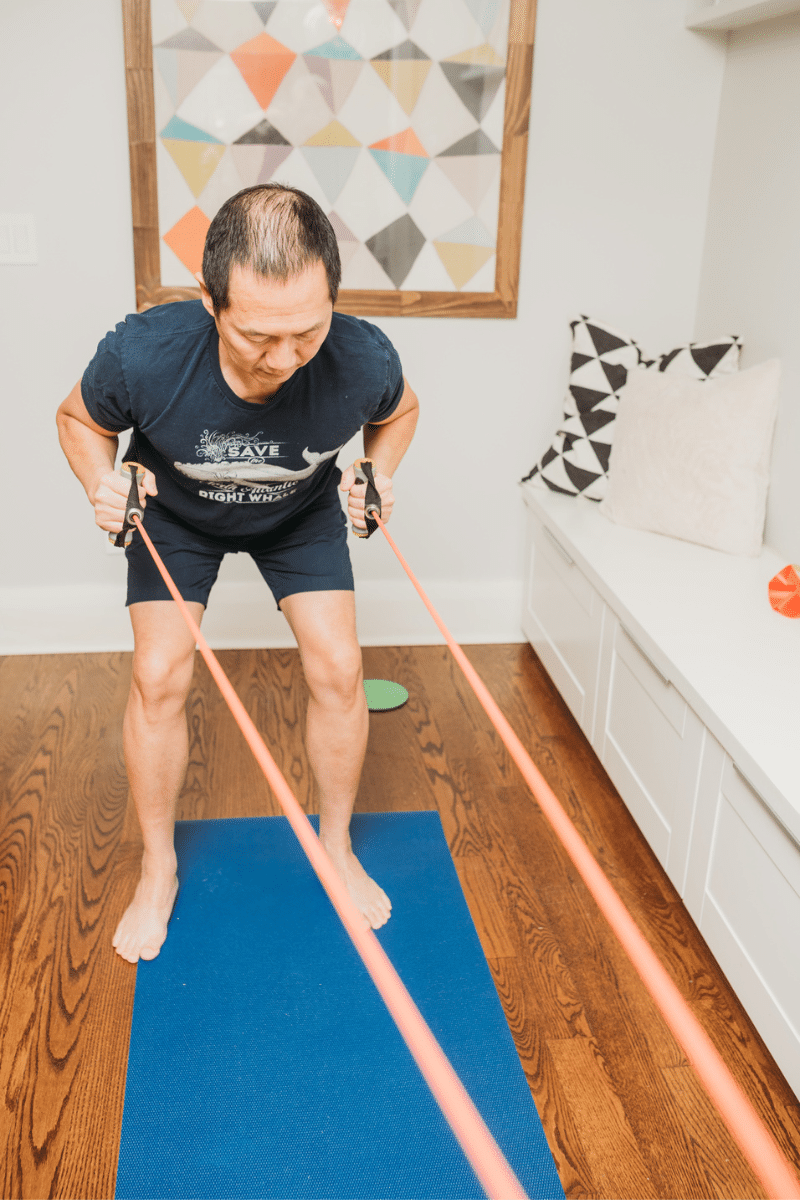
Progressive overload can come from increasing weight, adding repetitions, improving exercise form, slowing down tempo, or reducing rest periods. Even if you are following a home workout plan with limited equipment, you can still apply progressive overload effectively. Resistance bands, adjustable dumbbells, bodyweight variations, and controlled movement patterns can all stimulate muscle growth when used properly.
As in-home and virtual personal trainers, we encourage clients to track workouts carefully. Logging sets, reps, and resistance helps ensure that training intensity continues to improve over time. Without progression, muscle development eventually stalls.
PRIORITIZE PROTEIN AND NUTRITION
Training hard is only part of the equation. Nutrition plays a critical role in building muscle. Many people underestimate how important daily protein intake is for recovery and growth. After resistance training, your muscles need nutrients to repair damaged fibers and rebuild stronger tissue.
Most active adults benefit from eating high-quality protein sources throughout the day. Lean meats, eggs, Greek yogurt, fish, legumes, and protein shakes can all support muscle development. Consistency matters more than perfection. Skipping meals or under-eating can slow progress dramatically, especially for individuals trying to gain lean muscle mass. “The current recommended dietary allowance (RDA) is 0.8 grams of protein per kilogram of body weight” (Healthline, 2025). That said, more is often needed to build significant muscle mass, and individual needs can vary depending on factors like age and activity level.
Hydration is equally important. Dehydrated muscles fatigue more quickly and recover less efficiently. We regularly remind clients that proper recovery starts long before the workout begins.
For busy professionals and parents, meal preparation often becomes the biggest obstacle. That is why many clients pair nutrition coaching with virtual personal training to stay accountable and create routines that fit their schedules realistically.
RECOVERY IS WHERE MUSCLE GROWTH HAPPENS
A common misconception is that muscles grow during workouts. In reality, workouts create the stimulus for growth, but actual muscle repair happens during recovery. Sleep, stress management, hydration, and recovery days all impact results significantly.
Many beginners believe they need to train intensely every single day to build muscle faster. In practice, overtraining often leads to fatigue, poor performance, soreness, and eventually burnout. Recovery is not a sign of weakness; it is an essential part of the muscle-building process.
We recommend aiming for seven to nine hours of sleep per night whenever possible. Sleep quality directly affects hormone regulation, energy levels, and muscle repair. Even the best home workout plan will fail to deliver results if recovery is constantly neglected.
Mobility work and active recovery can also improve performance. Light stretching, walking, and low-intensity movement help improve circulation and reduce stiffness between workouts.
CONSISTENCY BEATS PERFECTION
One of the biggest reasons people fail to build muscle is inconsistency. It’s common to start highly motivated, follow an intense routine for two weeks, and then quit when life becomes busy. Sustainable progress comes from creating routines that can realistically fit your lifestyle in the long term.
This is why customized coaching matters so much. A personalized training program accounts for your schedule, experience level, goals, injuries, and available equipment. Some clients thrive with gym workouts, while others see better adherence with a structured home workout plan that eliminates commuting and saves time.
Missing one workout does not ruin progress. What matters is returning to the routine consistently over weeks and months. Building muscle is not about perfection; it’s about repetition and discipline over time.
TRAIN WITH PROPER FORM
Poor exercise form is one of the most common obstacles to muscle growth and injury prevention. Many people focus too much on lifting heavier weights while ignoring movement quality. Effective muscle-building requires controlled movement, proper joint positioning, and full ranges of motion.
For example, a slow and controlled squat with proper depth is usually more effective than a rushed squat performed with excessive weight. Similarly, maintaining tension during push-ups, lunges, and rows improves muscle activation significantly.
DON’T IGNORE STRENGTH TRAINING BASICS
Many people constantly search for advanced workouts when the fundamentals are what truly drive muscle growth. Compound exercises remain some of the most effective tools for building strength and lean muscle. Exercises like squats, lunges, push-ups, rows, and deadlifts train multiple muscle groups simultaneously and maximize efficiency. A well-designed home workout plan can incorporate these movement patterns effectively, even with minimal equipment. Resistance bands, kettlebells, suspension trainers, and dumbbells allow for challenging workouts from home.
At the same time, variety still matters. Rotating exercises strategically helps prevent plateaus while keeping workouts engaging. The goal is not random workouts every day, but intelligent programming that evolves gradually over time.
GETTING STARTED
Muscle building is a marathon, not a sprint. Social media often promotes unrealistic expectations and rapid transformations, but lasting results require patience and consistency. Real progress happens gradually through disciplined training, proper nutrition, smart recovery, and sustainable habits.
The most successful clients focus less on quick fixes and more on building routines they can maintain long term. Small improvements repeated consistently create major transformations over time. Whether you are just starting your fitness journey or trying to break through a plateau, the key is finding a system that works for your lifestyle. A personalized home workout plan, professional coaching, and accountability can make the process far more effective and enjoyable.
If you are ready to build strength, gain lean muscle, and improve your overall fitness, the team at Nielsen Fitness is here to help. We offer customized coaching, virtual personal training, and in-home personal training clients clients can rely on for real, sustainable results. Book your free initial assessment and first workout to take the first step toward becoming stronger, healthier, and more confident.